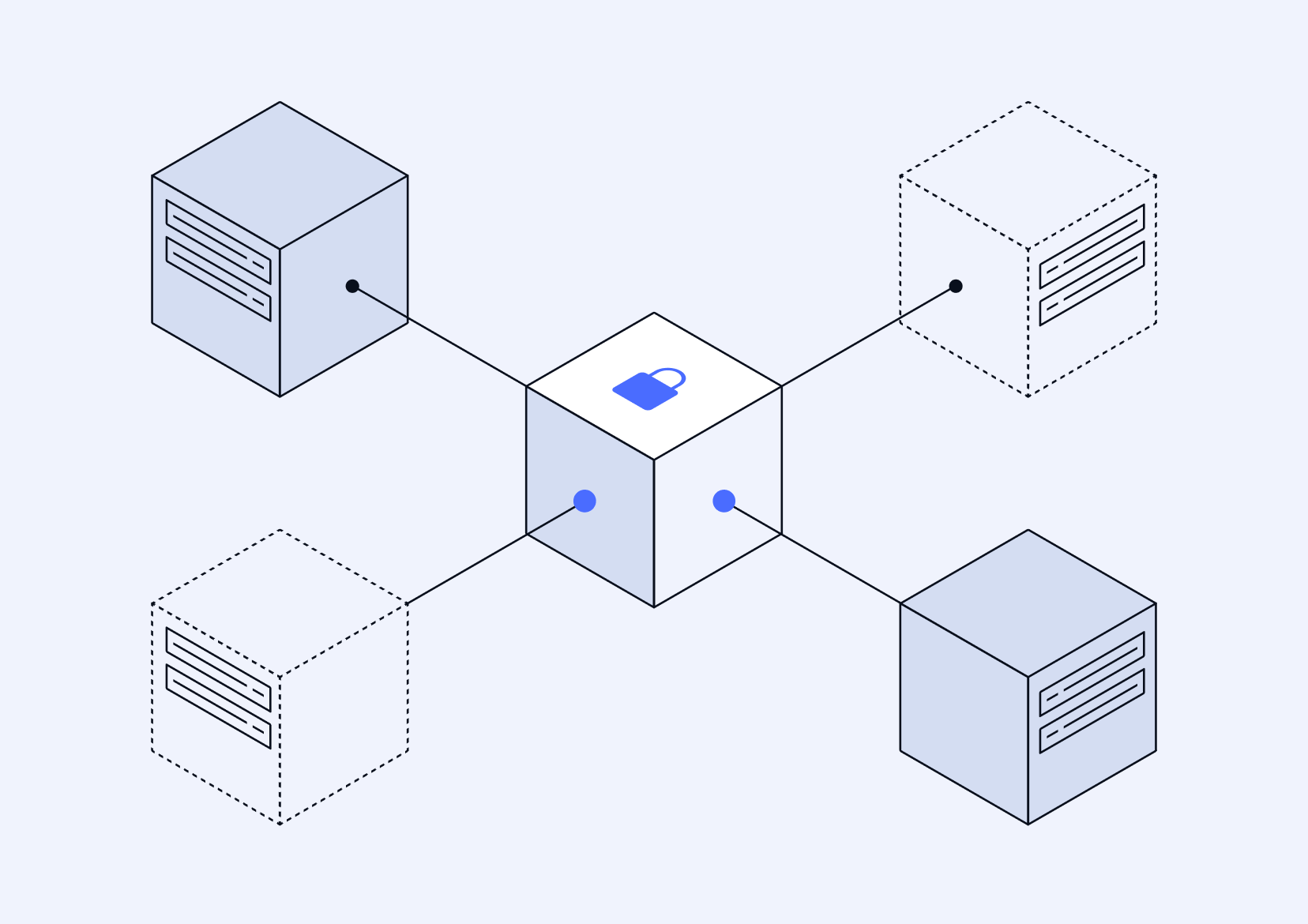
Hybrid cloud vs multi cloud strategies explained
The cloud decision for AI is rarely about ideology. It is a choice about where data can move, what failure you can tolerate, and whether the operating cost of portability is worth paying.

The cloud decision for AI is rarely about ideology. It is a choice about where data can move, what failure you can tolerate, and whether the operating cost of portability is worth paying.
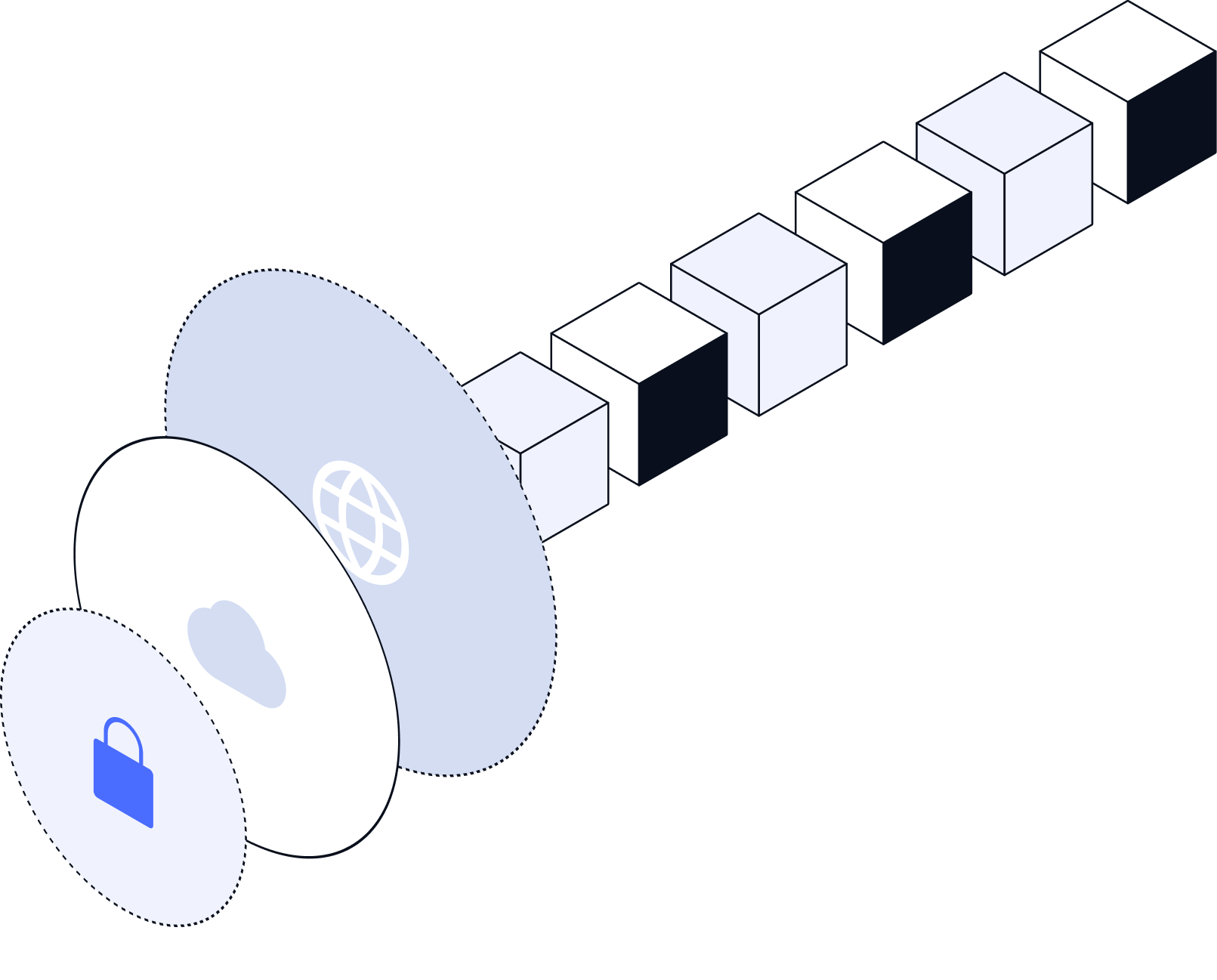
Hybrid cloud and multi-cloud are often treated like interchangeable ways to buy flexibility. They are not. Hybrid is usually a response to data gravity, latency, governance, or existing infrastructure economics. Multi-cloud is usually a hedge against concentration risk or a way to reach capabilities one provider cannot offer cleanly. The mistake is turning that difference into architecture theater instead of a deployment decision.
A cheap H100 hour in one region is not actually cheap if model weights, feature stores, or inference traffic have to travel to use it. Training may tolerate that tradeoff. Production inference often will not. This is the gap buyers underestimate: the difference between a price sheet and a workflow that can run repeatedly without surprising the team every week.
AI workloads make the tradeoff sharper because training, batch inference, and real-time inference do not want the same things. Early-stage teams often optimize for access and speed. Production teams optimize for predictable recovery, network behavior, and cost of always-on capacity. Treating those as the same procurement problem is how expensive cloud strategies get approved for the wrong reason.

This is where architecture language starts to hide commercial reality. The presence of another environment only matters if it changes recovery options, regional reach, or GPU access without creating a second operating tax the team has to carry indefinitely.
Every extra environment adds duplicated IAM work, duplicated observability, more network edges, more secret rotation paths, and more failure states that have to be rehearsed. That tax is usually hidden during architecture planning because diagrams are cheap. It appears later in incident response, data movement cost, and the monthly effort required to keep policy aligned. Teams often say they want portability when what they really want is negotiating leverage, regional backup, or one more source of GPU supply.
“The cheapest GPU hour is often the one you never should have moved the workload to in the first place.”
Those are different goals and they should be priced differently. If the real need is burst access for early-stage training, on-demand capacity in a single primary environment plus a secondary sourcing path may be enough. If the real need is predictable production inference near private data, dedicated or colocated capacity with a hybrid operating model may be the cleaner answer. If the real need is board-level supplier diversification, then multi-cloud may make sense, but only if the team is funded to operate that complexity for years, not quarters.
The right mental model is simple: buy access early, buy calendar certainty when demand repeats, and buy control when the workload becomes operationally sticky. That means experimentation can tolerate looser placement, slower interconnects, and some manual work. Scale-up training wants reserved windows, predictable egress assumptions, and fewer dependencies between data and compute regions. Production wants the opposite of improvisation: stable placement, clear recovery behavior, and cost that is legible enough to survive finance review.
From the supply side, selling availability without region detail, interconnect context, queueing behavior, and realistic deployment timelines is not transparency. From the demand side, insisting on perfect portability across every environment often creates a tax no team is staffed to carry. The market does not need more abstract cloud debate. It needs better matching between workload shape and infrastructure shape, with enough visibility into pricing, deployment context, and usable capacity that teams stop paying for flexibility they cannot actually exercise.
The healthiest market is not one where every buyer is pushed toward maximum optionality. It is one where workload shape, data gravity, regional supply, and deployability are legible enough that teams can choose the simplest model that actually fits. That is how buyers avoid permanent operating drag and how providers earn trust without overselling flexibility.