The worst way to build for AI is to maximize brochure capacity on day one. What operators actually monetize is capacity that can be commissioned on schedule, connected to enough power and network, and sold without redesign three months later.
Infrastructure
Jan 22, 2026
Nameplate capacity is cheap. Deployable growth is not.
The market still rewards big numbers: megawatts committed, land banked, halls planned, phases announced. Buyers care about a different number entirely: how much capacity can actually be turned over on the date promised. Those numbers diverge once utility lead times, transformer upgrades, cooling retrofits, fiber turns, and commissioning labor enter the conversation.
Expansion fails when phase logic is weak
A facility can have power rights, a future build plan, and a polished roadmap deck and still be a poor AI supply option if the next sellable block of capacity is unclear. H100 and H200 deployments expose this quickly because density, liquid readiness, and network adjacency punish loose planning. The real asset is not a distant Phase 3 slide. It is a credible Phase 1 and Phase 2 sequence.
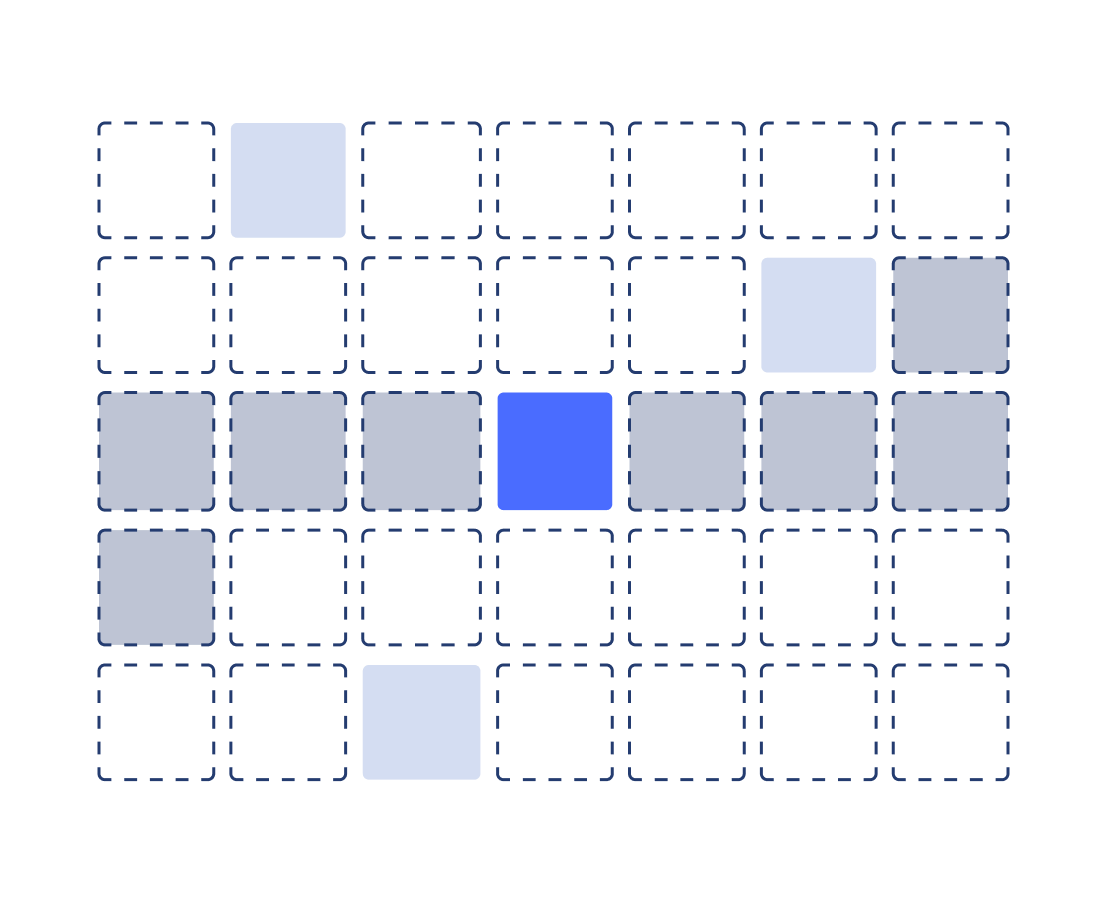
Ask what capacity is live now, what is commissioning, and what is still contingent.
Ask which constraint hits first as density rises: power, cooling, fiber, or labor.
Ask how long it takes from signed contract to accepted load.
Ask whether the next phase reuses a proven design or triggers custom engineering again.
This is not only an engineering problem. It is a commercial discipline. Operators oversell when sales timelines outrun commissioning reality. Buyers overcommit when they treat roadmap capacity as if it were already live. Both mistakes get expensive because AI demand arrives in bursts and lead times rarely wait for a cleaner internal process.
That is the difference between a site that is growing and a site that is actually adding supply to the market. Buyers need the second. Operators only monetize the second.
The next sellable block matters more than the ultimate buildout
For enterprise buyers, a roadmap has value only if it maps to a deployment calendar that can survive reality. A hall planned for next year does not help if the next model training cycle starts in eight weeks. For operators, the same logic applies in reverse. It is easy to market long-term expansion. It is harder, and far more valuable, to show exactly what the next increment of AI capacity requires in switchgear, cooling, fiber, remote hands, and commissioning time.
“Roadmap megawatts do not buy next-quarter capacity. Commissioned blocks do.”
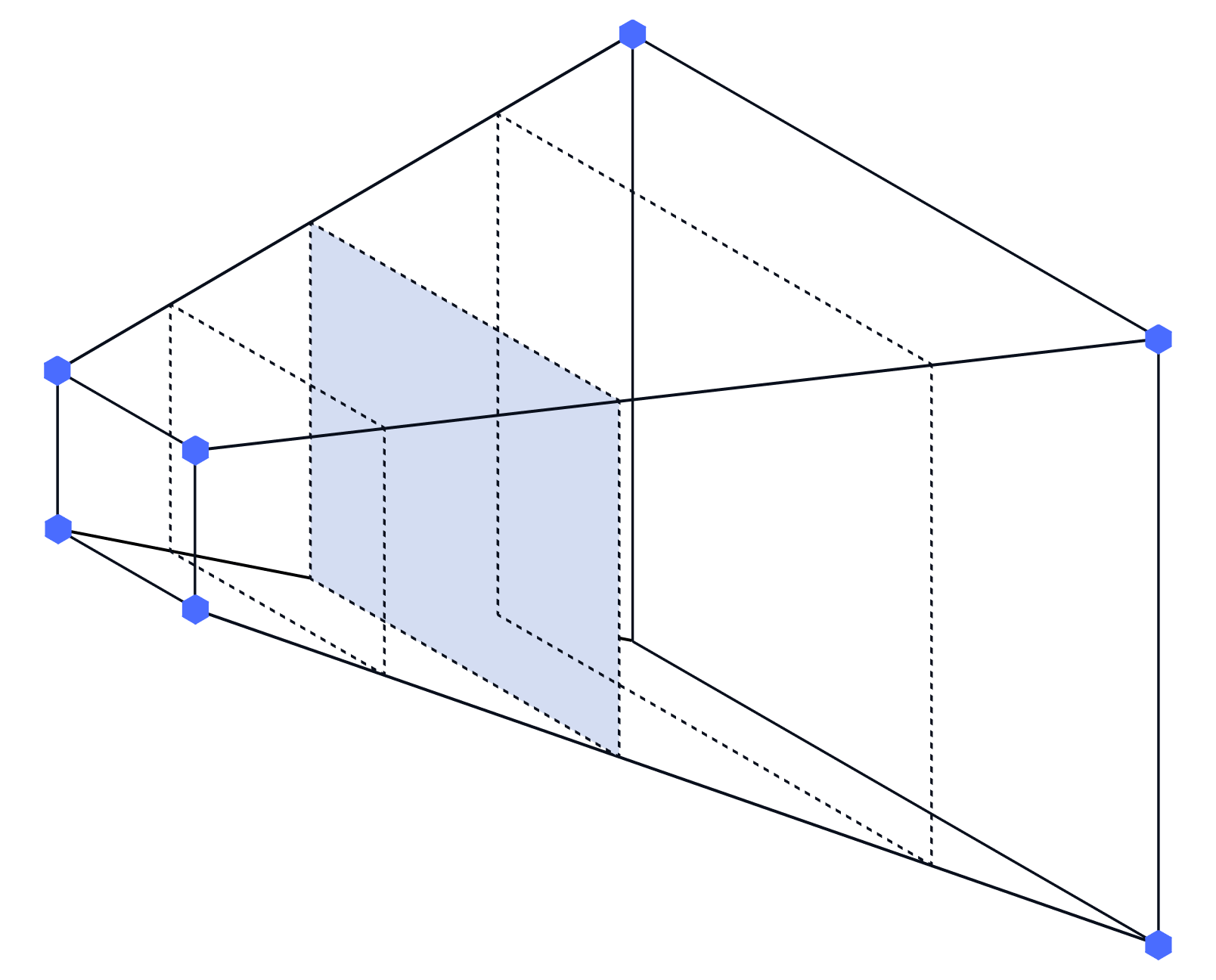
This is why good growth planning looks repetitive rather than dramatic. The most useful site expansions do not reinvent the room each phase. They reuse a proven design envelope, preserve optionality around density, and make the next activation step legible enough that commercial teams do not sell ahead of engineering reality.
Growth capital and buyer demand need the same timeline language
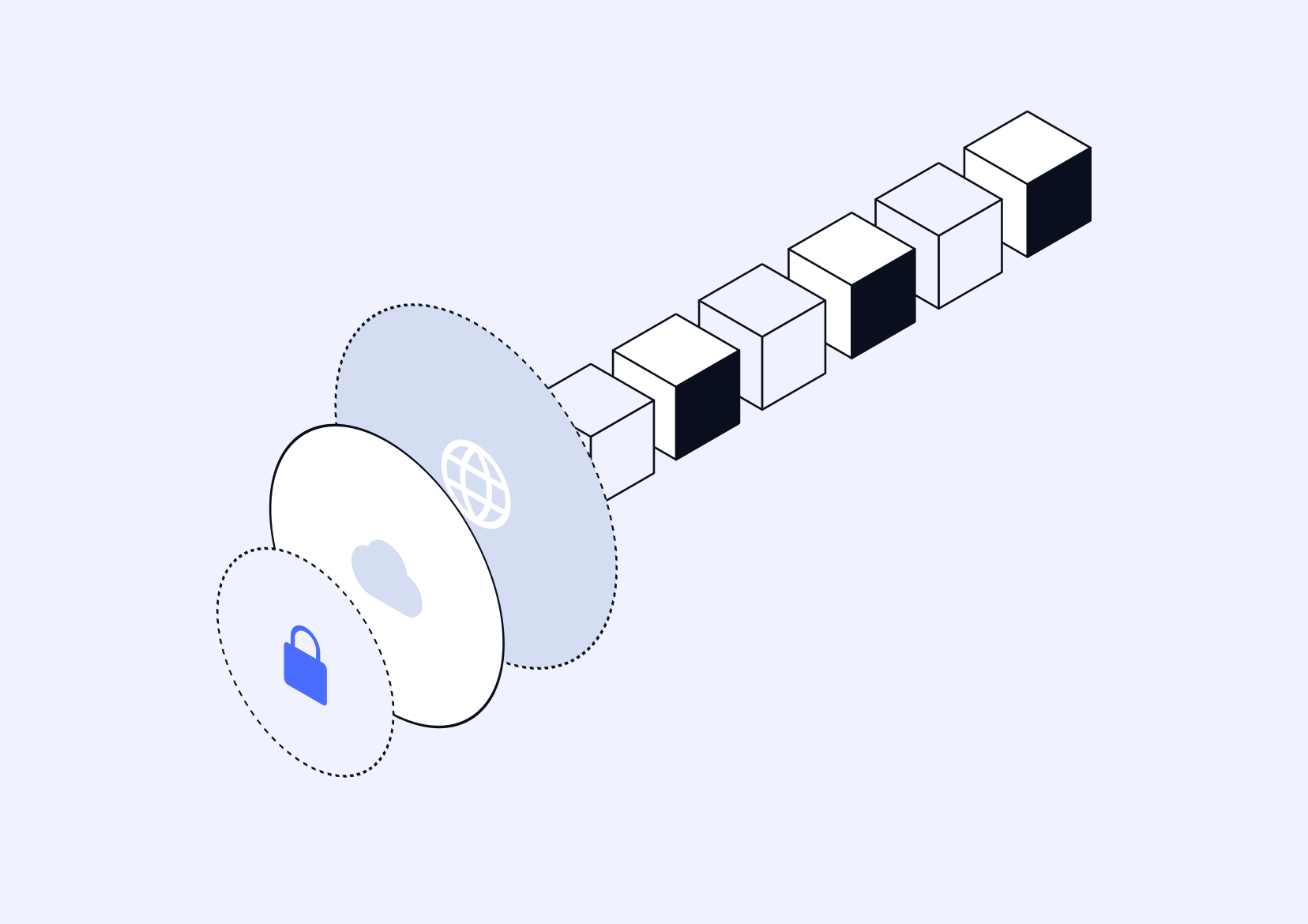
The useful mental model is staged commitment. Early phases should buy calendar certainty and reusable design. Later phases should buy utilization and operating leverage. When those stages get mixed together, operators strand capital and buyers inherit schedule risk disguised as supply.
Operators should separate live capacity from contingent capacity in every serious buyer conversation.
Buyers should test phase promises against utility, cooling, and network dependencies, not just floor plans.
Pricing should reflect confidence in deployability, not only the eventual economics of a fully built site.
Markets work better when a phase can be compared by readiness, not just by ambitious end-state totals.
Scaling well means making future supply more credible
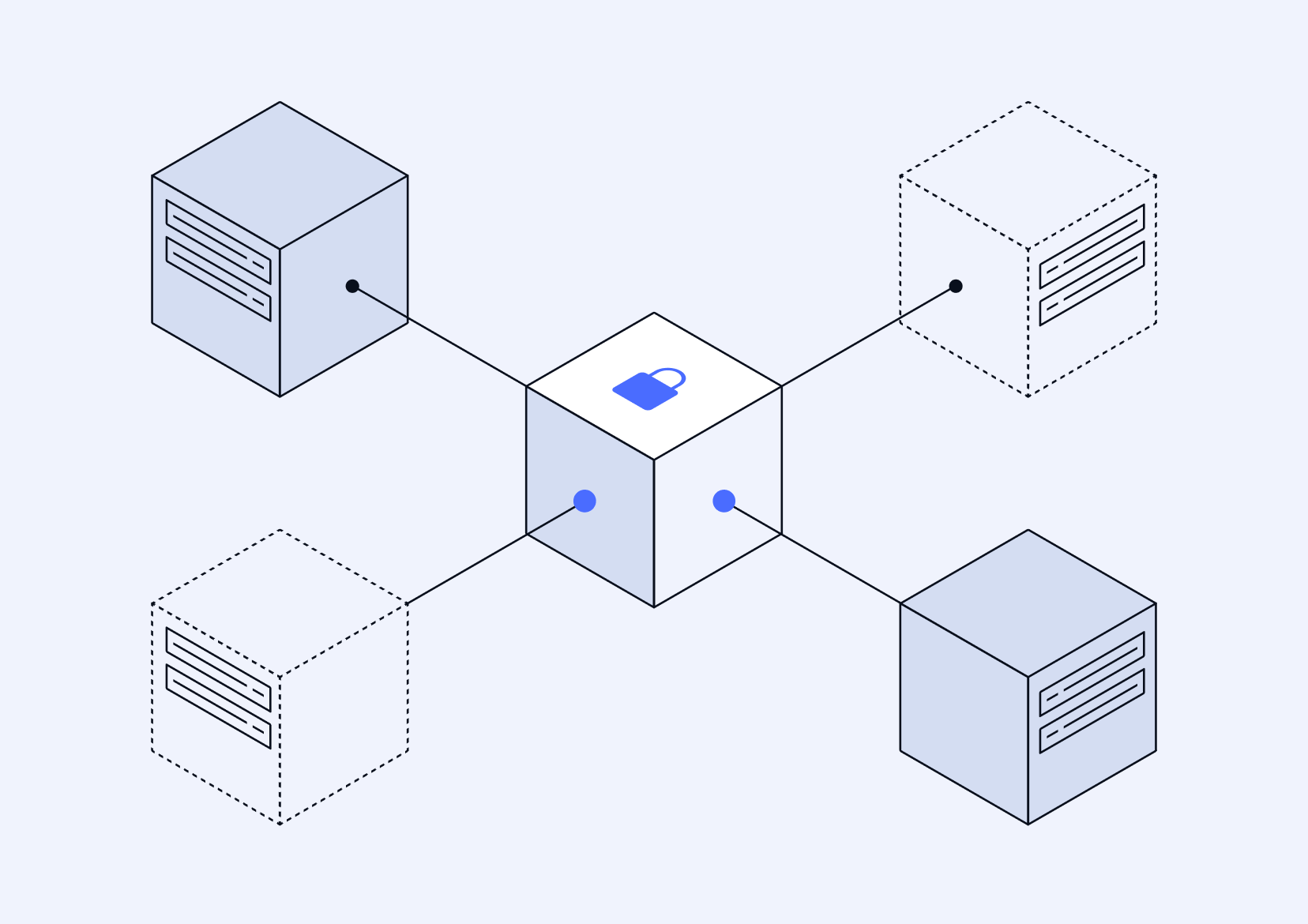
The market gets healthier when deployable capacity is described with the same clarity as price: what is real now, what unlocks next, how long that unlock takes, and how pricing changes with confidence. That makes growth easier to underwrite on both sides. Buyers make fewer timing mistakes. Operators monetize capacity with less oversell risk. And the industry spends less energy pretending future megawatts are the same thing as next-quarter supply.
Credible supply beats ambitious projections
That is the broader discipline this market needs. Buyers should be comparing deployability and timing confidence, not just future-state diagrams. Operators should be rewarded for making the next commissionable block visible, legible, and honestly priced. That is what turns planned growth into usable AI infrastructure.